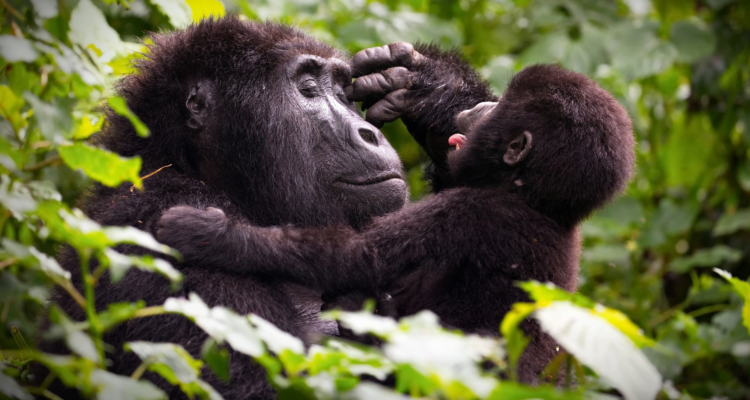
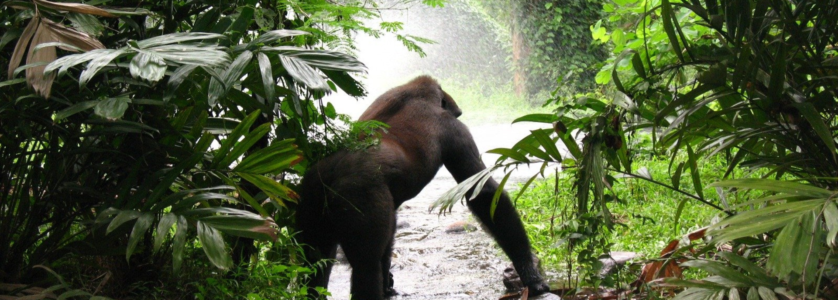
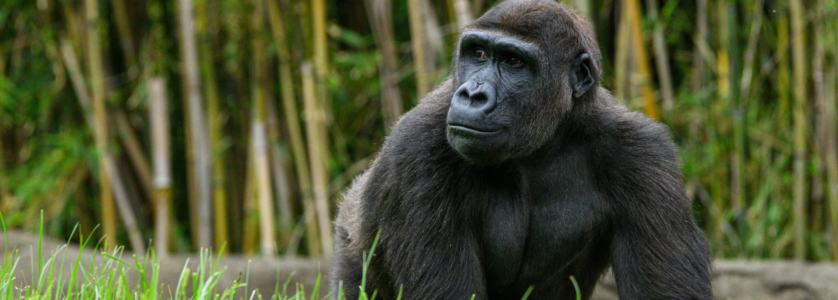
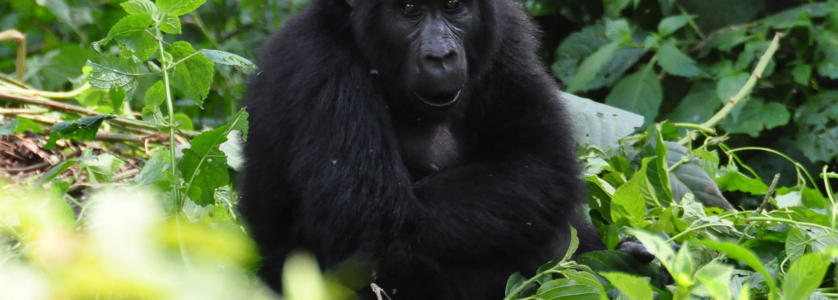
For those who have spent a decade traversing the landscapes of East Africa, there is a common consensus: Rwanda is no longer just a stopover; it is a pinnacle destination. Often referred to as the “Land of a Thousand Hills,” this small but mighty nation has redefined the concept of high-end travel. A RWANDA SAFARIS PAGE is often the first step for travelers seeking a blend of raw adventure and refined elegance.
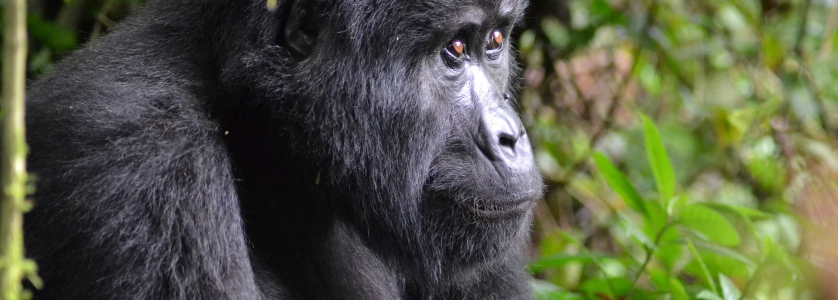
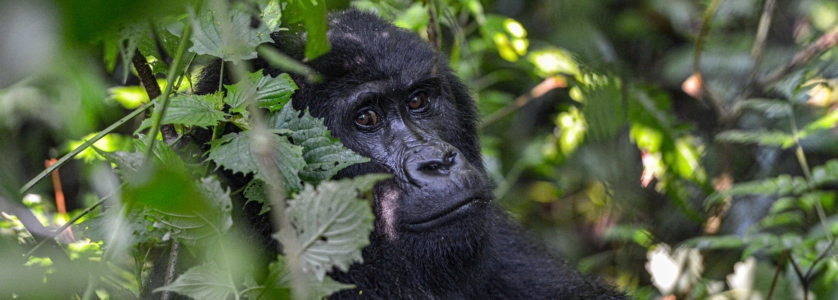
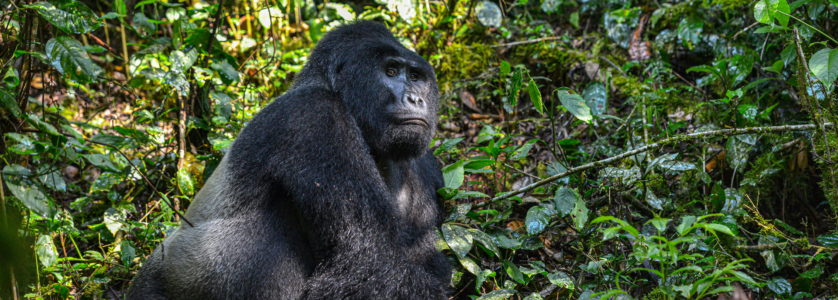
While many associate the region solely with the dense forests of Bwindi, the experience of gorilla trekking Rwanda offers a distinct flavor of accessibility, luxury, and conservation success that is hard to match elsewhere.
The Allure of the Volcanoes: Why Rwanda Stands Out
The crown jewel of any safari in Rwanda is undoubtedly Volcanoes National Park. Nestled in the northwest, this park is home to several habituated families of mountain gorillas. What sets Rwanda apart from its neighbors is the seamless integration of high-end hospitality with conservation.
When you embark on a trek here, you aren’t just a tourist; you are a patron of a delicate ecosystem. The hiking trails are well-maintained, and the proximity to the capital, Kigali, means you can transition from a world-class international airport to the heart of the rainforest in just three hours. For the luxury traveler, this convenience is a significant draw.
The Luxury Tier: Beyond the Trek
A decade ago, the lodging options were modest. Today, Rwanda hosts some of the most prestigious eco-lodges in the world. Imagine returning from a damp, exhilarating morning in the forest to a lodge where a private butler waits with a warm eucalyptus-scented towel and a glass of vintage wine.
These lodges—such as Singita Kwitonda, One&Only Gorilla’s Nest, and Bisate Lodge—are designed to minimize environmental impact while maximizing guest comfort. Large floor-to-ceiling windows bring the forest into your living room, ensuring that even during your “downtime,” the connection with nature remains unbroken.
More Than Primates: The Complete Rwanda Circuit
While gorilla trekking Rwanda is the magnet, the country’s wildlife portfolio has expanded significantly. To truly experience Rwanda, one must look beyond the mist:
- Akagera National Park: This is Rwanda’s answer to the traditional Savannah safari. After years of restoration and the reintroduction of lions and rhinos, Akagera is now a “Big Five” destination. A boat safari on Lake Ihema offers a unique perspective on hippos and crocodiles that rivals any delta experience.
- Nyungwe Forest National Park: For those who love primates, Nyungwe is a treasure trove. It is one of the oldest rainforests in Africa and hosts thirteen primate species, including chimpanzees and the Ruwenzori colobus. The canopy walk here—suspended 70 meters above the forest floor—is a thrill that stays with you forever.
- The Cultural Connection: A safari is incomplete without understanding the people. Visiting the Iby’iwacu Cultural Village or exploring the vibrant art scene in Kigali provides a profound context to the land you are traversing.
The Art of the Perfect Safari: An Expert’s Advice
Planning a safari in Rwanda requires more than just booking a flight. As experts in the field for over 15 years, our recommendation is always “slow travel.” Don’t rush the encounter.
The gorilla permit (currently $1,500) is an investment in the species’ survival. To make the most of it, spend at least three nights in the Volcanoes region. This allows you to acclimatize, enjoy a secondary trek (perhaps to see the rare Golden Monkeys), and soak in the atmosphere of the Virunga Mountains.
Editorial Policy & Research Integrity
Our content is built on a foundation of first-hand field experience and up-to-date conservation data. We prioritize:
- Accuracy: Verified details on permit costs and park regulations.
- Sustainability: Promoting lodges and operators that actively contribute to community development and wildlife protection.
- Objectivity: Providing honest assessments of trekking difficulty and seasonal weather patterns.
Frequently Asked Questions (FAQs)
- How difficult is gorilla trekking in Rwanda compared to Uganda? Generally, the trekking in Rwanda is considered slightly easier due to the open bamboo forests and better-maintained trails. However, because gorillas move daily, “easy” is relative; you should still be prepared for 2 to 6 hours of hiking at high altitudes.
- When is the best time for a safari in Rwanda? The dry seasons (June to September and December to February) are ideal for trekking as the ground is less slippery. However, the “short rains” in October and November make for stunning photography as the dust clears and the landscape turns a vibrant emerald green.
- Are the gorillas safe to be around? Yes. The habituation process takes years, ensuring the gorillas are comfortable with human presence. Professional rangers accompany every group, and strict rules (like maintaining a 10-meter distance) are in place for the safety of both primates and humans.
- Can I combine a Rwanda safari with a visit to Uganda? Absolutely. Many travelers start in Rwanda for the luxury experience and cross the border into Uganda (Cyanika or Katuna) to experience Bwindi or Queen Elizabeth National Park. This offers a comprehensive view of the Albertine Rift.
- What should I pack for a Rwanda wildlife encounter? Essential items include sturdy waterproof hiking boots, long trousers to protect against stinging nettles, gardening gloves (for gripping vegetation), a light rain jacket, and high-SPF sunscreen.
- Office: +(256)-393-103-285
- WhatsApp: +(256)-781-686-907
- Mobile: +(256)-747-047-761
- Emergency: +(256)-702-181-380
Email Address
- Email: info.splendidafricansafaris@gmail.com
Location & Address
- Physical Address: Plot 1958, Bweya Kanyigo, Along Kajjansi Bweya Lutembe Rd, Near Westminster Christian Institute Uganda.
- Directions: 3 Kilometers off Entebbe Rd, 1.5 Km after Kajjansi Airfield.
- Postal Address: P.O. Box 16373, Wandegeya Kampala, Uganda, East Africa.
 >
>