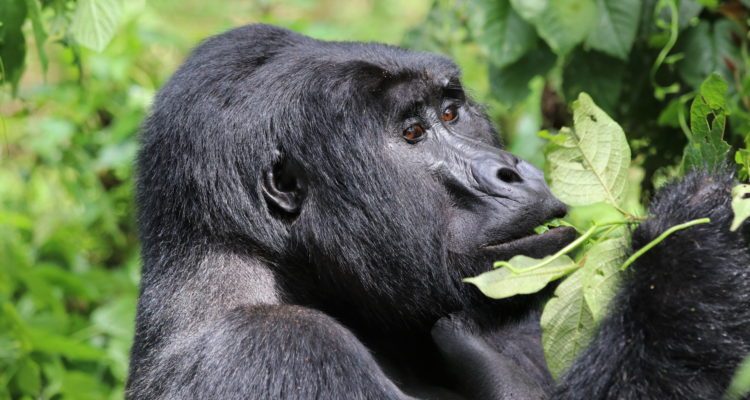
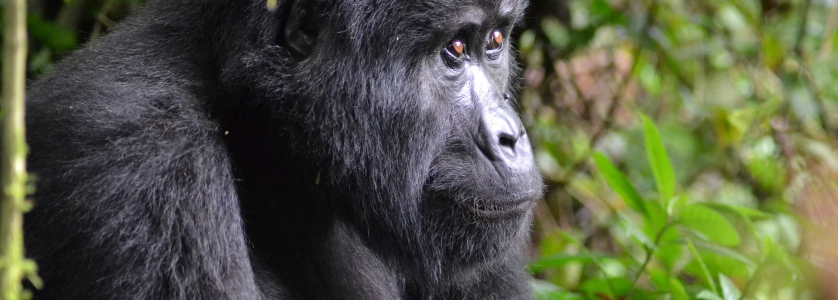
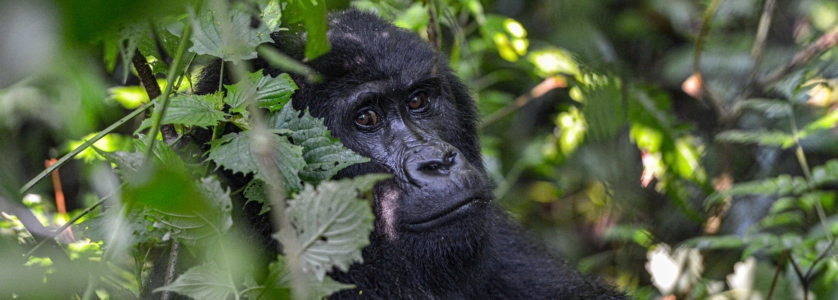
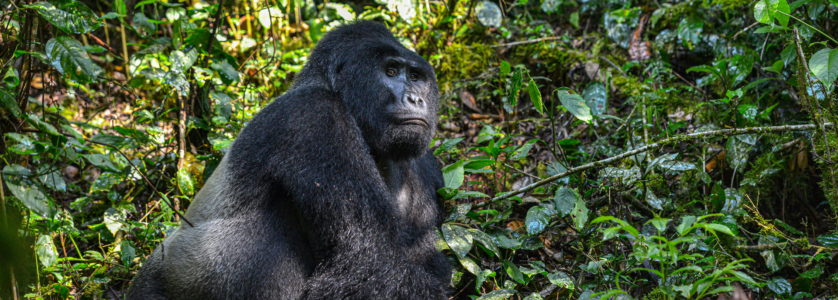
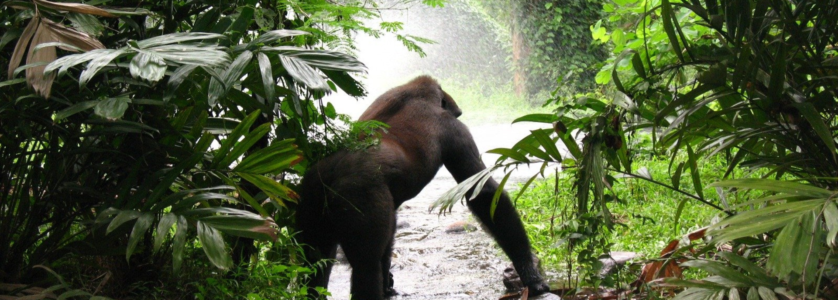
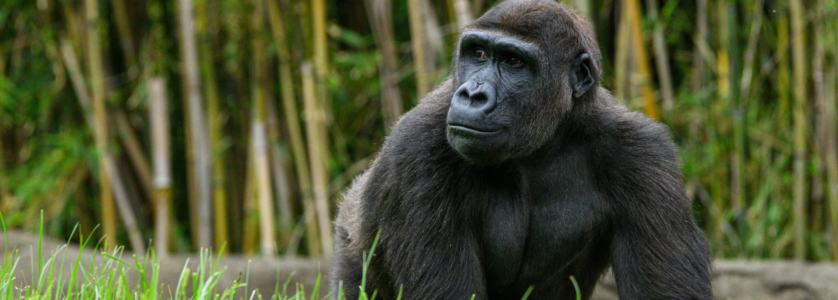
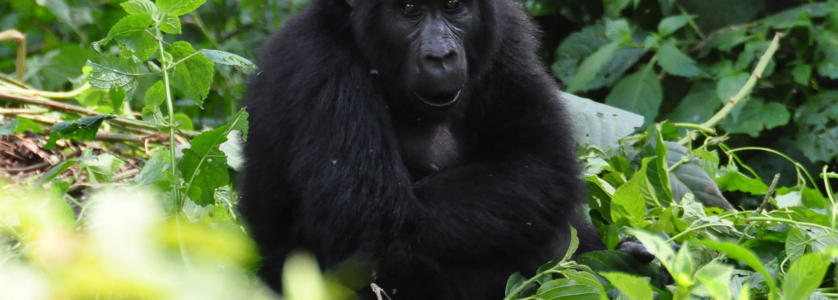
For over a decade, I’ve had the privilege of navigating the dense, emerald corridors of Bwindi Impenetrable Forest and watching the sun set behind the jagged peaks of the Virunga Volcanoes. If you are reading this in 2026, you likely know that the allure of the mountain gorilla is stronger than ever. But as a seasoned expert in gorilla trekking Uganda, I can tell you that the landscape of this adventure has evolved.
It’s no longer just about “finding a gorilla.” It’s about choosing the right sector, understanding the 2024–2026 permit shifts, and timing your journey to match your fitness and photography goals. This guide is designed to give you the “boots-on-the-ground” perspective you won’t find in a standard brochure.
The 2026 Landscape: Why Uganda Leads the Way
While neighboring countries have shifted toward a “low-volume, high-cost” model, Uganda gorilla trekking remains the most balanced option for the modern traveler. With more than half of the world’s remaining mountain gorilla population, Uganda offers a raw, authentic jungle experience that feels less like a tour and more like an expedition.
The Four Sectors of Bwindi: Which is Yours?
One of the most common mistakes travelers make is thinking Bwindi is one single destination. In reality, it is divided into four distinct sectors, each offering a different “flavor” of Gorilla safaris in Uganda:
- Buhoma (North): The “First-Timer’s Choice.” It features the most established infrastructure and generally gentler trails.
- Rushaga (South): The “Variety Hub.” This sector has the highest number of habituated families and is the only place where you can join the Gorilla Habituation Experience.
- Nkuringo (Southwest): The “Adventurer’s Peak.” If you want the most dramatic views of the Virunga Volcanoes and don’t mind a steep, lung-busting climb, this is your sector.
- Ruhija (East): The “Photographer’s Secret.” Sitting at a higher altitude, it’s cooler and mistier—perfect for those atmospheric shots.
The Logistics: Permits and Planning
As of mid-2024 and through 2026, the Uganda Wildlife Authority (UWA) has updated its conservation tariffs. For a foreign non-resident, the gorilla trekking Uganda permit now sits at $800.
Expert Tip: Do not wait until you arrive to book. Permits are limited to eight people per gorilla family per day to ensure the primates’ health and habitat are preserved. I recommend booking at least six months in advance, especially for the peak dry months of June to August and December to February.
Beyond the Trek: The “All-in-One” Safari
What makes Gorilla safaris in Uganda truly special in 2026 is the ability to create a “Primate Circuit.” Unlike other destinations, you can easily combine your trek with:
- Chimpanzee Tracking in Kibale Forest (The Primate Capital of the World).
- Tree-climbing lions in the Ishasha sector of Queen Elizabeth National Park.
- Golden Monkey trekking in Mgahinga Gorilla National Park.
Editorial Policy and Research Integrity
Our content is founded on 15 years of direct field experience and a commitment to sustainable tourism. We strictly adhere to the following principles:
- Conservation First: We only promote trekking practices that follow UWA and international primate viewing guidelines (e.g., maintaining a 10-meter distance).
- Community Impact: We prioritize lodges and operators that employ local staff and support community-led initiatives like the Batwa Cultural Experience.
- Real-Time Data: Our pricing and logistics are updated to reflect the 2024–2026 UWA tariff changes.
Frequently Asked Questions (FAQs) – 2026 Edition
- How much does a gorilla permit cost in Uganda for 2026?
For the 2024–2026 period, the permit fee is $800 for foreign non-residents, $700 for foreign residents, and UGX 300,000 for East African citizens.
- What is the difference between Gorilla Trekking and the Habituation Experience? Standard trekking gives you one hour with a fully habituated family. The Habituation Experience (available in Rushaga/Nkuringo) allows you to spend four hours with a family currently being integrated with human presence, accompanied by researchers. It costs $1,500.
- Is it better to trek in Bwindi or Mgahinga?
Bwindi is more reliable because it has more gorilla families. Mgahinga is stunning and less crowded, but it only has one habituated family (Nyakagezi) which occasionally moves across borders, though they have been settled in Uganda for several years now.
- How fit do I need to be for gorilla trekking in Uganda?
You should be able to walk for 3 to 6 hours on uneven, steep terrain. However, if you have mobility issues, “sedan chair” porters can be hired to carry you into the forest—meaning this experience is accessible to almost everyone with the right planning.
- What is the “best” time to visit?
The dry seasons (June–September and December–February) are best for easier hiking. However, the “green season” (March–May) offers lush photography and often more availability for permits.
- Office: +(256)-393-103-285
- WhatsApp: +(256)-781-686-907
- Mobile: +(256)-747-047-761
- Emergency: +(256)-702-181-380
Email Address
- Email: info.splendidafricansafaris@gmail.com
Location & Address
- Physical Address: Plot 1958, Bweya Kanyigo, Along Kajjansi Bweya Lutembe Rd, Near Westminster Christian Institute Uganda.
- Directions: 3 Kilometers off Entebbe Rd, 1.5 Km after Kajjansi Airfield.
- Postal Address: P.O. Box 16373, Wandegeya Kampala, Uganda, East Africa.
 >
>