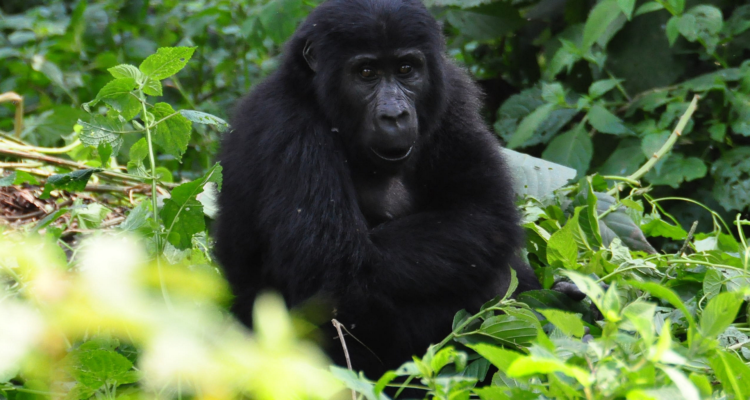
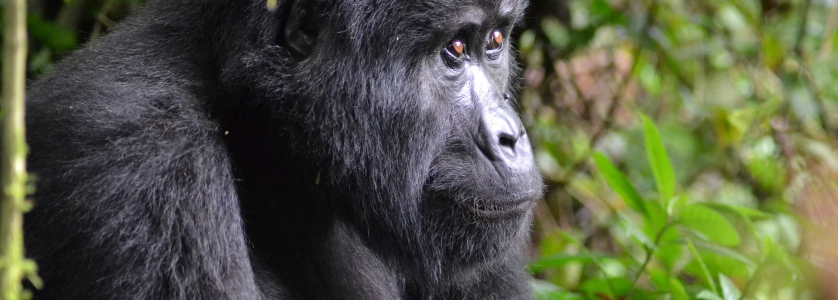
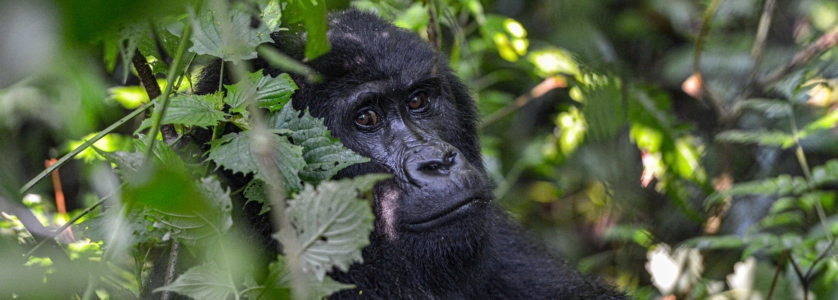
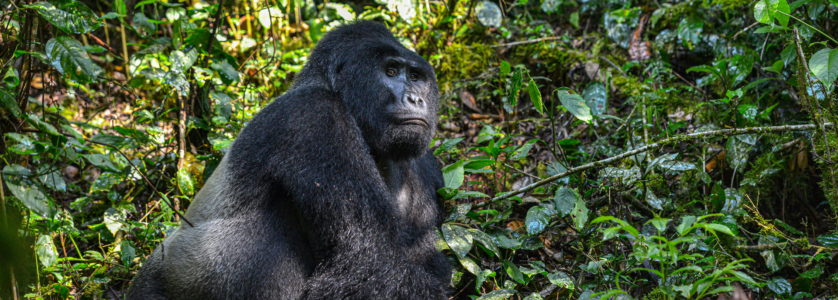
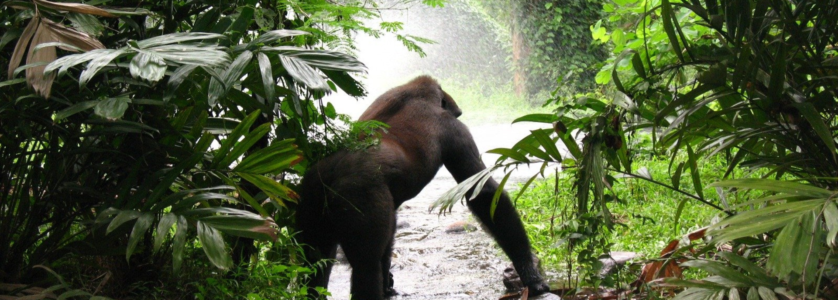
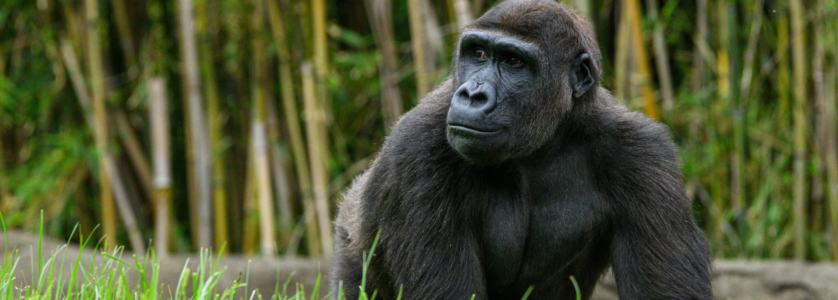
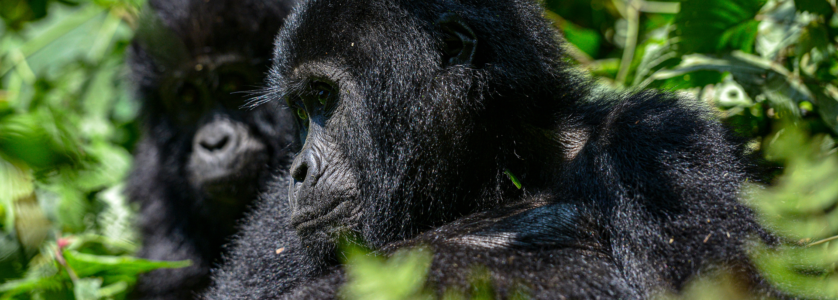
There is a moment, just after the machete-wielding rangers pull back a final curtain of thick ferns, when the world seems to stand still. Your breath hitches, not from the high-altitude climb, but from the sight of a 400-pound Silverback casually stripping bamboo just ten feet away.
As someone who has navigated the misty ridges of Bwindi for over fifteen years, I can tell you that gorilla trekking in Uganda remains the most profound wildlife encounter on the planet. But as we enter 2026, the landscape of these safaris has shifted. From new permit regulations to a “slow travel” movement that prioritizes conservation, here is your expert roadmap to the Pearl of Africa.
Why Uganda is the Preferred Choice for 2026
While Rwanda offers a high-end, fast-access experience, safaris in Uganda Africa have rwandabecome the choice for travelers seeking depth and value. In 2026, Uganda is home to nearly half of the world’s remaining mountain gorillas, spread across two distinct national parks: Bwindi Impenetrable and Mgahinga.
Key Advantages for 2026:
- Permit Affordability: At $800 USD, Uganda’s permit remains significantly more accessible than Rwanda’s $1,500 fee.
- Variety of Sectors: With four trekking sectors in Bwindi (Buhoma, Ruhija, Rushaga, and Nkuringo), you can choose your terrain—from gentle slopes to heart-pumping vertical climbs.
- The Habituation Experience: Uganda is the only place in the world where you can spend four hours (rather than one) with the gorillas in the Rushaga sector for $1,500.
Planning Your Trek: Timing and Logistics
One of the most frequent mistakes I see travelers make is underestimating the geography. Uganda gorilla tours require logistical precision.
The Best Time to Visit
Uganda is a year-round destination, but for the best trekking conditions, aim for the dry seasons:
- June to August: The “long dry” season. Ideal for photography and easier hiking.
- December to February: The “short dry” season. Perfect for combining gorillas with birding.
- The “Emerald” Season (March–May): While trails are muddier, the forest is vibrant, and some luxury lodges offer “value season” rates.
Sector Selection: Choosing Your Terrain
- Buhoma (North): The most popular and lowest altitude. Best for those concerned about fitness.
- Nkuringo (South): Famous for its “skyline” views of the Virunga Volcanoes. Expect a strenuous but rewarding hike.
- Ruhija (East): A birdwatcher’s paradise sitting at a higher, cooler elevation.
2026 Conservation & Editorial Policy
At Gorilla Trekking Uganda, our content is built on a foundation of scientific integrity and community impact.
- Community First: We prioritize operators who contribute to the 20% revenue-sharing model that funds local schools and clinics.
- Distance Rules: In 2026, rangers strictly enforce a 10-meter (32-foot) buffer to protect gorillas from human respiratory droplets.
- Fitness Truths: We provide honest assessments; trekking can take anywhere from 45 minutes to 7 hours. We always recommend hiring a local porter ($20) to support local livelihoods and your own stamina.
Frequently Asked Questions (FAQs) – 2026 Edition
1. How much does a gorilla permit cost in 2026?
As of the latest 2024-2026 tariff, a standard permit for a Foreign Non-Resident is $800 USD. For the Gorilla Habituation Experience (4 hours), the price is $1,500 USD.
2. Is Uganda safe for solo travelers and families?
Absolutely. Uganda is one of the most stable and welcoming destinations in East Africa. National parks are patrolled by dedicated Tourism Police and UWA rangers. For families, the minimum age for trekking is 15.
3. What is the difference between Bwindi and Mgahinga?
Bwindi is a massive, ancient rainforest with many gorilla families. Mgahinga is smaller and features open bamboo forests on volcanic slopes. Mgahinga is often quieter and allows you to combine gorillas with Golden Monkey tracking.
4. What should I pack for a gorilla safari in Uganda?
Essential gear includes: waterproof hiking boots with ankle support, long-sleeved “insect-shield” shirts, gardening gloves (for gripping vines), and a high-quality rain poncho. Don’t forget your Yellow Fever certificate for entry at Entebbe!
5. Can I see the “Big Five” on a gorilla tour?
While Bwindi is for primates, you can easily add uganda safaris & tours to Queen Elizabeth National Park (tree-climbing lions) or Murchison Falls (elephants and giraffes) to complete your Big Five checklist.
Start Your Journey with Gorilla Trekking Uganda
Navigating Gorilla safaris in Uganda shouldn’t be stressful. Let our team of local experts, with over a decade of field experience, handle the permits and the “hidden gem” lodges for you.
Contact Numbers
- Office: +(256)-393-103-285
- WhatsApp: +(256)-781-686-907
- Mobile: +(256)-747-047-761
- Emergency: +(256)-702-181-380
Email Address
- Email: info.splendidafricansafaris@gmail.com
Location & Address
- Physical Address: Plot 1958, Bweya Kanyigo, Along Kajjansi Bweya Lutembe Rd, Near Westminster Christian Institute Uganda.
- Directions: 3 Kilometers off Entebbe Rd, 1.5 Km after Kajjansi Airfield.
- Postal Address: P.O. Box 16373, Wandegeya Kampala, Uganda, East Africa.
 >
>