Gorilla trekking in Uganda is an immersive wildlife experience where visitors hike through dense tropical rainforests to spend one hour observing endangered mountain gorillas in their natural habitat. To do this, you must secure an $800 tracking permit from the Uganda Wildlife Authority and book your trip through a registered tour operator to access either Bwindi Impenetrable or Mgahinga Gorilla National Parks.
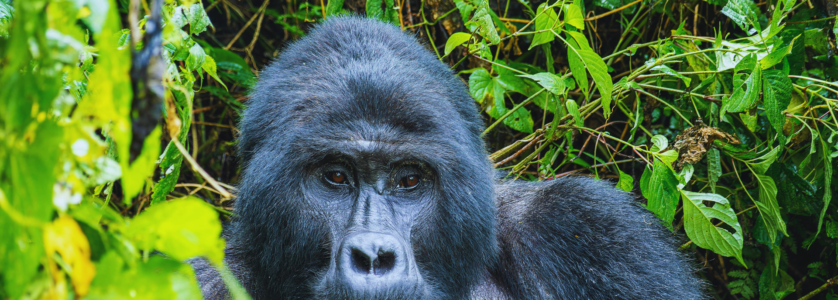
In my 15 years designing custom Africa itineraries, I’ve sent hundreds of travelers on Uganda tours and safaris. Yet, nothing prepared me for my own first trek in the Buhoma sector of Bwindi. I vividly remember the exact moment our tracker hacked through a thicket of giant ferns, revealing a 400-pound silverback merely twenty feet away, calmly stripping bark from a branch.
That singular moment instantly stripped away all the exhaustion of a grueling three-hour hike in the humidity. If you are looking into Uganda safari packages, this wildlife encounter is undeniably the crown jewel of the trip.
What to Expect: The Gorilla Trekking Uganda Experience
The trek begins at dawn with a mandatory briefing by park rangers. You are assigned to a specific habituated gorilla family based on your general fitness level and the gorillas’ last known location.
The Trekking Process: Step-by-Step
- The Briefing: Arrive at the park headquarters at 7:00 AM for a safety talk, rules overview, and group allocation (strictly limited to 8 trekkers per gorilla family).
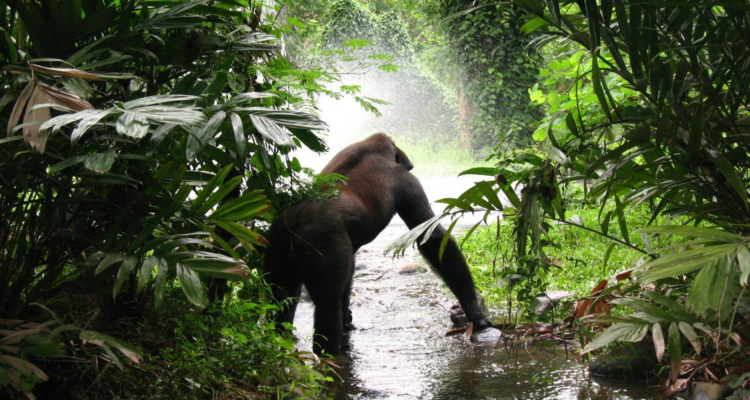
- The Hike: Follow your lead ranger and local trackers into the dense jungle. The hike can take anywhere from 1 to 6 hours depending on where the apes built their nests the previous night.
- The Encounter: Once trackers locate the gorillas, you leave your walking sticks and daypacks behind. You then get exactly one precious hour to photograph and observe the family dynamics.
- The Descent: Hike back to the trailhead to receive your official trekking certificate and tip your porters.
Where to Trek: Bwindi vs. Mgahinga National Park
When planning your Uganda tours and safaris, you must choose between two distinct parks. Both offer exceptional 95%+ success rates for sightings, but the terrain and overall logistics differ significantly.
| Feature | Bwindi Impenetrable National Park | Mgahinga Gorilla National Park |
| Gorilla Population | ~450+ gorillas (nearly half the global population) | 1 habituated transboundary family (Nyakagezi) |
| Trekking Sectors | Four distinct trailheads (Buhoma, Ruhija, Rushaga, Nkuringo) | One primary trailhead (Ntebeko) |
| Terrain | Dense, tangled rainforest with steep, muddy ridges | Open bamboo forests on volcanic slopes |
| Permit Availability | High (over 150 permits available daily) | Very low (only 8 permits daily) |
The Cost of Uganda Safari Packages in 2026
Gorilla trekking is a premium ecotourism activity, though Uganda remains significantly more cost-effective than neighboring Rwanda, where permits run $1,500. As of 2026, a standard foreign non-resident permit in Uganda costs $800.
For budget-conscious travelers, the Uganda Wildlife Authority recently reintroduced low-season permits for $600 during April, May, and November. This pricing model is a massive win for conservation funding. In fact, recent data shows that because of these permit revenues, the global mountain gorilla population has rebounded to roughly 1,063 individuals, successfully moving them from “Critically Endangered” to “Endangered” status (Source: WWF).
Frequently Asked Questions
How physically demanding is gorilla trekking in Uganda?
The trek is considered moderately to highly strenuous. You will be hiking off-trail through thick, humid rainforest with steep inclines, mud, and uneven terrain, so a reasonable base level of cardiovascular fitness and sturdy footwear are required.
What is the best time of year to go gorilla trekking in Uganda?
The optimal times are during the two dry seasons: June to September and December to February. During these months, the trails are less muddy and trekking conditions are significantly easier, though sudden downpours can still occur in the rainforest at any time.
What should I pack for a gorilla trek?
You need functional, protective gear over fashion. Essential items include waterproof hiking boots, thick gardening gloves (for gripping thorny branches), gaiters to protect against biting ants, a lightweight rain jacket, and long-sleeved shirts in neutral colors.
 >
>