When Winston Churchill famously dubbed Uganda the “Pearl of Africa” in 1908, he wasn’t just being poetic. He was reacting to the sheer, overwhelming variety of life concentrated in one small, vibrant country. Today, that sentiment has evolved into a sophisticated travel industry, where all-inclusive Uganda safari packages offer a seamless bridge between modern luxury and raw, prehistoric wilderness.
As an expert who has spent over a decade navigating the mist of Bwindi and the vast plains of Murchison Falls, I can tell you that a safari here is different. It isn’t just about seeing animals; it’s about the encounter. In 2026, the trend has shifted from “observation” to “immersion.”
Why Choose All-Inclusive Uganda Safari Packages?
In the world of high-end travel, “all-inclusive” should mean more than just three meals a day. In the context of uganda tours and safaris, it means peace of mind. Navigating the logistics of the East African bush—from securing high-demand gorilla trekking uganda permits to coordinating domestic bush flights—can be a daunting task for the uninitiated.
A truly comprehensive package includes:
- Guaranteed Permits: Securing your $800 gorilla permit months in advance.
- Expert Local Guides: Professionals who understand animal behavior and local culture.
- Boutique Eco-Lodges: Stays that prioritize sustainability without sacrificing comfort.
- Internal Logistics: Seamless transfers, whether by customized 4×4 land cruisers or light aircraft.
The Ultimate 2026 Circuit: Primates and Savannah
To truly “explore the Pearl,” your itinerary must balance the dense forests of the west with the open savannahs of the north. For 2026, we are seeing a surge in “Primate + Big Five” combinations that minimize travel time and maximize wildlife density.
1. The Primate Capital: Kibale and Bwindi
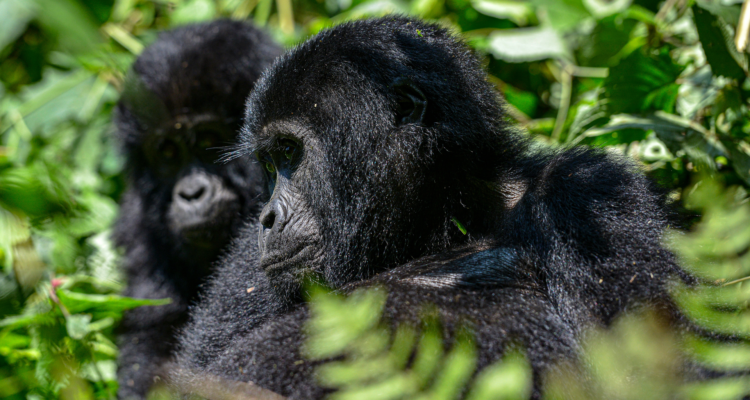
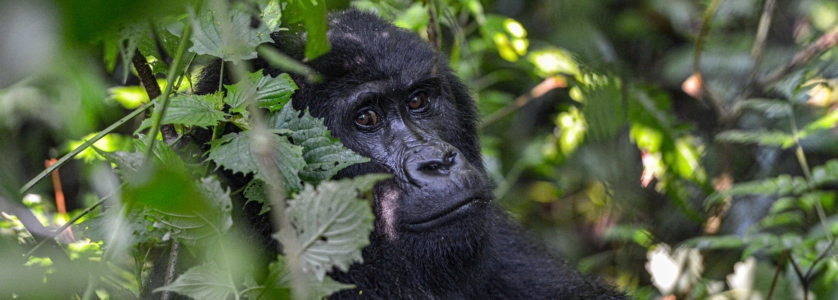
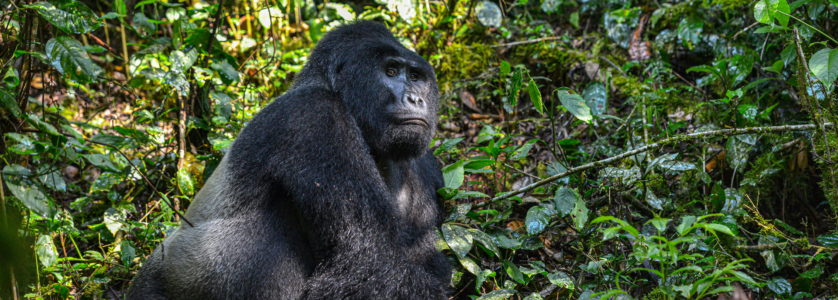
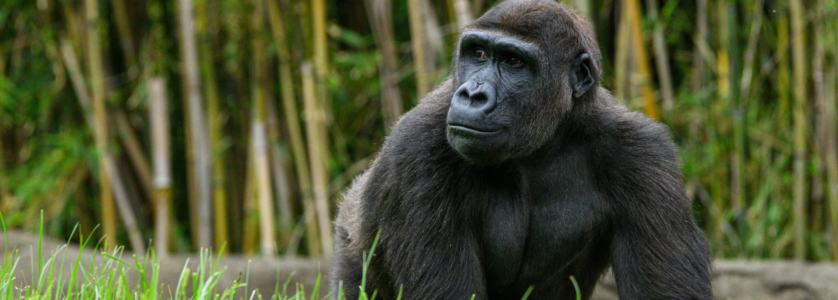
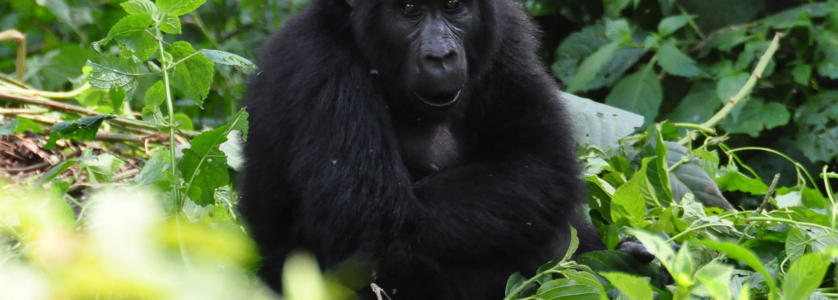
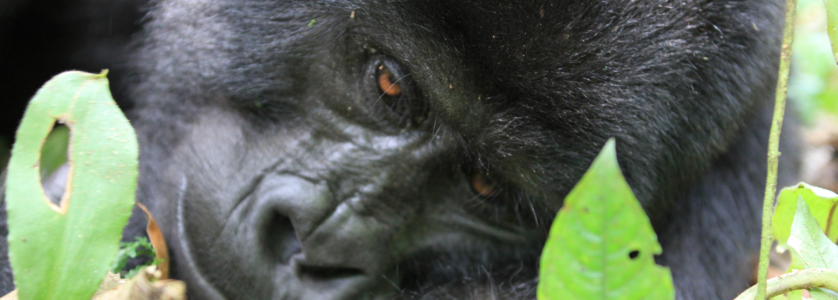
Most travelers start with the primates. Kibale National Park is home to the highest density of primates in Africa, specifically our closest cousins, the chimpanzees. However, the crown jewel remains gorilla trekking uganda.
Bwindi Impenetrable Forest is a UNESCO World Heritage site and home to roughly half of the world’s remaining mountain gorillas. In 2026, the Gorilla Habituation Experience in the Rushaga sector—which allows for four hours of interaction rather than one—has become the gold standard for photographers and serious wildlife enthusiasts.
2. The Big Game Heartland: Murchison Falls and Queen Elizabeth
After the intimate forest encounters, the open plains offer a different thrill. Murchison Falls National Park is where the Nile River explodes through a seven-meter gorge, creating the world’s most powerful waterfall. Here, all-inclusive packages often feature private boat safaris to the base of the falls, where you’ll spot colossal crocodiles and pods of hippos.
Further south, Queen Elizabeth National Park‘s Ishasha sector is famous for its tree-climbing lions. Witnessing a 400-pound predator lounging in a fig tree is a sight unique to this corner of Africa.
Sustainable Travel: Our Editorial & Research Policy
At Gorilla Trekking Uganda, our content is built on more than just travel brochures. Our editorial policy is rooted in “Regenerative Tourism.” We believe that for a safari to be successful, it must benefit for the local community and the wildlife as much as the traveler.
Our research process involves:
- Direct Field Updates: We constantly monitor trail conditions and gorilla family movements.
- Conservation Partnerships: We work closely with the Uganda Wildlife Authority (UWA) to ensure our guests follow the most current ethical trekking guidelines.
- Community Vetting: We prioritize lodges that employ local staff and support community projects, such as the Batwa heritage walks.
Frequently Asked Questions (FAQs)
1. Is gorilla trekking in Uganda safe?
Yes. Every trek is led by armed, expert rangers from the Uganda Wildlife Authority. The gorillas you visit are habituated, meaning they are accustomed to human presence. Uganda is widely considered one of the safest and most hospitable countries for international travelers in Africa.
2. What is the best month to book a Uganda safari?
The dry seasons—June to August and December to February—offer the best trekking conditions and wildlife viewing. However, the “green season” (March-May) is becoming popular for photographers who want lush backgrounds and more available permits.
3. Are all-inclusive packages worth the cost?
Absolutely. When you factor in the cost of permits ($800), high-end lodging (approx. $300-$600/night), and private transportation, a pre-arranged package usually offers better value and significantly less stress than trying to book components individually.
4. How fit do I need to be for gorilla trekking?
The terrain in Bwindi can be steep and muddy. You should be in moderate physical condition. However, we can often request “easier” or “shorter” treks for those with mobility concerns, and local porters are available to assist you on the trail.
5. Can I combine Uganda with a Rwanda or Kenya safari?
Yes. Thanks to the East Africa Tourist Visa, you can easily combine a Uganda gorilla trek with a Masai Mara migration safari in Kenya or a luxury stay in Rwanda.
Plan Your 2026 Adventure with Gorilla Trekking Uganda
The Pearl of Africa is waiting. Whether you are looking for a 3-day gorilla fly-in or a 14-day grand circuit, our team is ready to craft your perfect story.
Contact Numbers
- Office: +(256)-393-103-285
- WhatsApp: +(256)-781-686-907
- Mobile: +(256)-747-047-761
- Emergency: +(256)-702-181-380
Email Address
- Email: info.splendidafricansafaris@gmail.com
Location & Address
- Physical Address: Plot 1958, Bweya Kanyigo, Along Kajjansi Bweya Lutembe Rd, Near Westminster Christian Institute Uganda.
- Directions: 3 Kilometers off Entebbe Rd, 1.5 Km after Kajjansi Airfield.
- Postal Address: P.O. Box 16373, Wandegeya Kampala, Uganda, East Africa.
 >
>