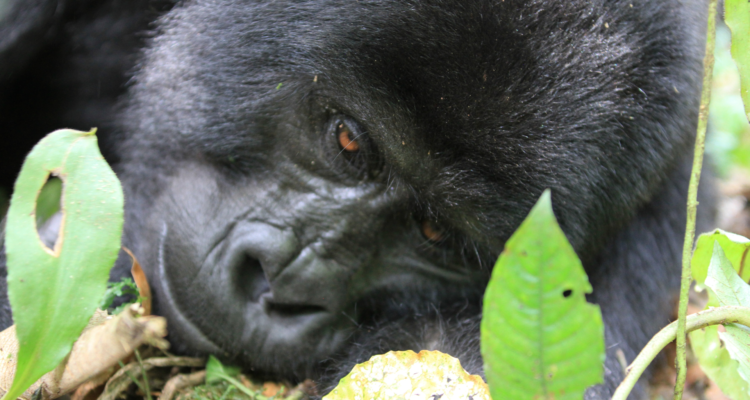
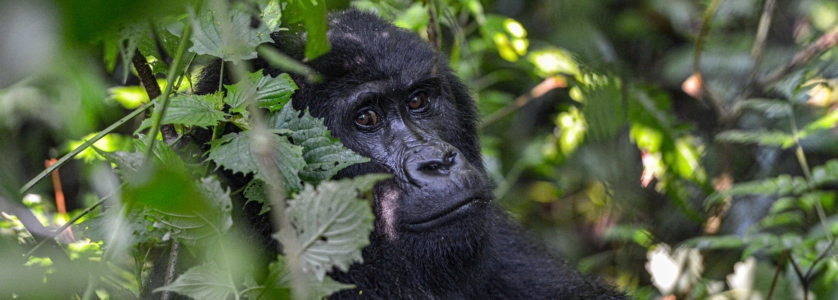
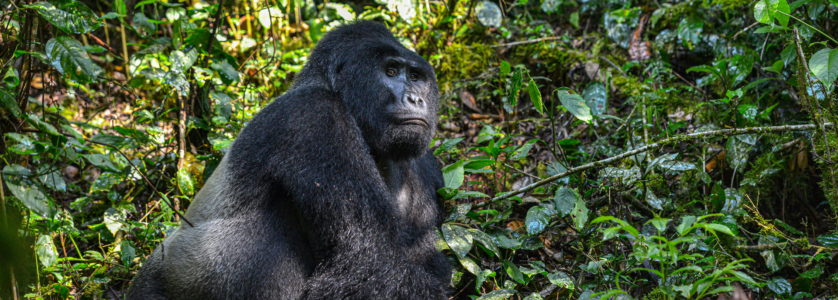
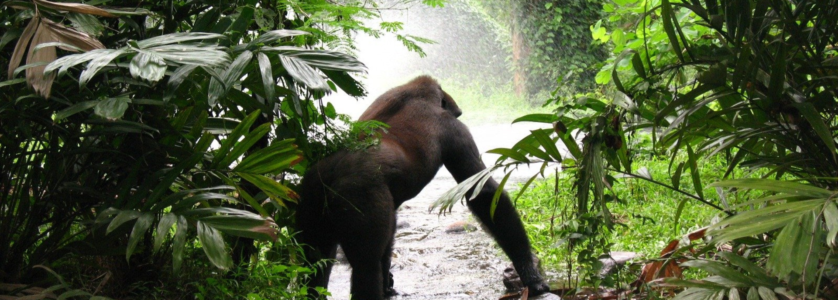
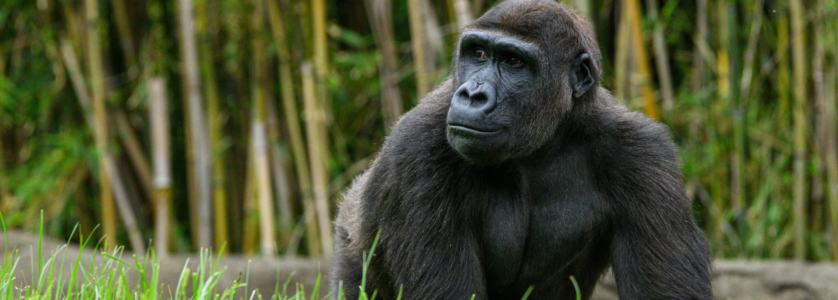
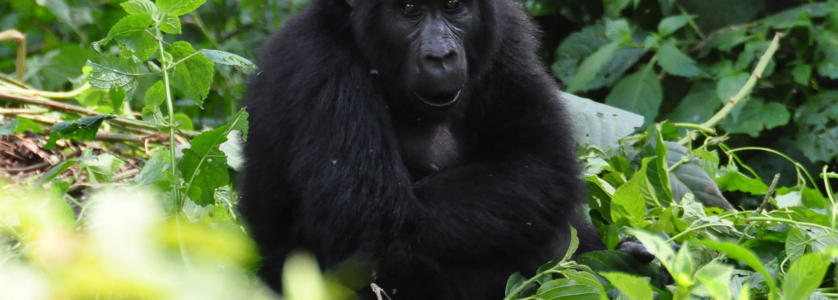
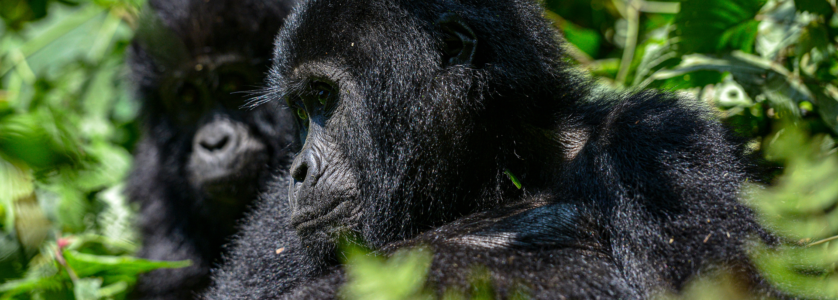
As someone who has spent the last 15 years witnessing the mist rise over the Virunga Volcanoes and the dense canopy of Bwindi, I’ve seen the world of safaris change. In 2026, the modern traveler is no longer just looking for a photo op; they are looking for a connection. Uganda gorilla trekking has transitioned from a simple wildlife bucket-list item into one of the most successful conservation models on the planet.
When you step into the “Pearl of Africa” today, you are participating in a regenerative journey. Every permit secured and every lodge booked serves a higher purpose: the survival of a species and the upliftment of the mountain communities that protect them.
The 2026 Conservation Model: Your Permit at Work
The primary question I get asked is, “Why is the permit so expensive?” As of 2026, a uganda gorilla trekking permit costs $800 for foreign non-residents. This isn’t just an access fee; it is a direct investment.
- Revenue Sharing: 20% of all park entry fees go directly to the communities surrounding Bwindi Impenetrable National Park and Mgahinga Gorilla National Park. This funds schools, health clinics, and clean water projects.
- Ranger Welfare: Your permit pays for the salaries and training of the “Guardians of the Forest”—the rangers and trackers who protect these primates from poaching 365 days a year.
- The Population Boom: Because of this funded protection, the mountain gorilla population has surpassed 1,000 individuals, moving from “Critically Endangered” to “Endangered”—a rare conservation win in the modern era.
Sustainable Practices: How to Trek with a Purpose
A 15-year veteran knows that sustainability starts long before you reach the forest. Here is how to ensure your Gorilla safaris in Uganda leave a positive footprint:
1. The Power of the Porter
One of the most impactful things you can do is hire a porter (approx. $20). Many porters are former poachers or local residents who now rely on tourism for their livelihood. By hiring one, you provide an immediate economic incentive to protect the forest rather than exploit it.
2. Choose Eco-Luxury and Community Lodges
In 2026, Uganda leads East Africa in eco-conscious hospitality. Look for lodges that utilize:
- Solar Power: Minimizing carbon footprints in fragile ecosystems.
- Rainwater Harvesting: Protecting local water tables.
- Local Sourcing: Ensuring that the food on your plate supports local farmers.
3. Observe the “10-Meter Rule”
Conservation is also about health. Mountain gorillas share roughly 98% of our DNA, making them highly susceptible to human respiratory illnesses. In 2026, rangers strictly enforce a 10-meter (32-foot) distance and the wearing of masks during the encounter. Respecting these boundaries is the ultimate act of care for the family you are visiting.
Beyond the Silverback: Immersive Primate Diversity
While gorilla trekking uganda is the magnet, a “Travel with a Purpose” itinerary often includes the broader primate circuit. This “Slow Travel” approach reduces your carbon footprint by staying longer in one region.
- Chimpanzee Habituation: In Kibale Forest, you can spend a day with researchers, contributing to the long-term study of our closest cousins.
- The Batwa Forest Experience: This is not a “human zoo” performance. It is a community-led initiative where the indigenous Batwa people share their ancient forest knowledge, ensuring their culture is preserved for future generations.
Editorial Policy: Why Trust Our Insights?
Our content is built on a foundation of ethical journalism and field-verified research. We maintain a strict editorial policy that includes:
- Verified Data: All permit prices and park regulations are checked against the latest Uganda Wildlife Authority (UWA) 2024–2026 tariffs.
- Boots-on-the-Ground Experience: We don’t just aggregate data; we consult with rangers and lodge managers who live and work in the Bwindi and Mgahinga regions.
- Unbiased Advocacy: We prioritize the health of the wildlife and the prosperity of local communities over commercial interests.
Frequently Asked Questions (FAQs) – 2026 Edition
- Is it ethical to visit mountain gorillas?
Yes, when done through regulated channels. Tourism provides the economic alternative to poaching and habitat destruction. Without the revenue from Gorilla safaris in Uganda, the forest would likely have been cleared for charcoal or agriculture decades ago.
- Can I trek gorillas if I have a common cold?
No. Even a mild human cold can be fatal to a gorilla. If you are sick, you must inform the authorities. In most cases, the UWA allows for a permit reschedule or a partial refund upon medical verification to ensure you don’t risk the gorillas’ health.
- What is the “Green Season” and is it sustainable to travel then?
The Green Season (March–May and October–November) is highly sustainable. It reduces “over-tourism” during peak months, provides steady income to local staff year-round, and offers a more intimate, crowd-free experience.
- How does my visit help the local community?
Beyond the 20% revenue share, your stay supports local employment. From the farmers who grow the lodge’s vegetables to the artisans who craft the souvenirs in the local markets, your presence fuels a circular economy.
- Is Rwanda better for sustainable trekking than Uganda?
Both countries have excellent models. However, gorilla trekking uganda is often cited for its deeper community integration through a wider network of mid-range and community-owned lodges, making it accessible to a broader range of travelers.
- Office: +(256)-393-103-285
- WhatsApp: +(256)-781-686-907
- Mobile: +(256)-747-047-761
- Emergency: +(256)-702-181-380
Email Address
- Email: info.splendidafricansafaris@gmail.com
Location & Address
- Physical Address: Plot 1958, Bweya Kanyigo, Along Kajjansi Bweya Lutembe Rd, Near Westminster Christian Institute Uganda.
- Directions: 3 Kilometers off Entebbe Rd, 1.5 Km after Kajjansi Airfield.
- Postal Address: P.O. Box 16373, Wandegeya Kampala, Uganda, East Africa.
 >
>