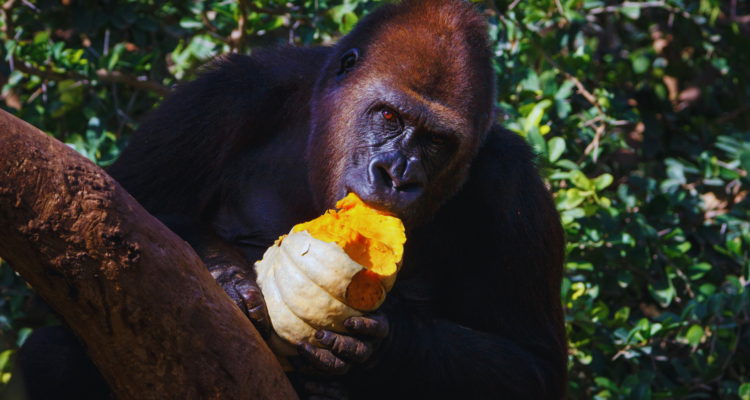
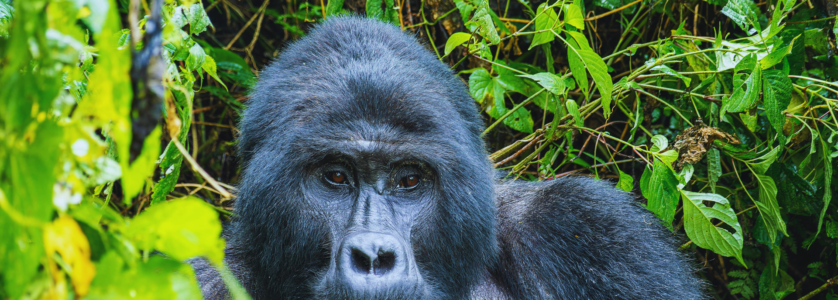
Stepping into the dense, emerald labyrinth of Bwindi Impenetrable National Park is a dream for many, but for those choosing the Gorilla Habituation Experience (GHE), the dream comes with a raw, unpredictable edge. Unlike standard Uganda gorilla safaris & tours where you visit groups already accustomed to human presence, habituation puts you on the front lines of wild animal psychology.
You aren’t just an observer; you are a catalyst. When you spend four hours with a semi-habituated group, you will witness behavioral volatility, the fluctuating, often intense reactions of gorillas learning to trust humans. If you aren’t prepared for the chest-beating, the sudden lunges, or the eerie silence of a silverback’s stare, the experience can shift from awe-inspiring to overwhelming in seconds.
This guide provides the psychological and tactical preparation needed to navigate these encounters like a seasoned primatologist.
What is Behavioral Volatility in Primates?
In the context of Uganda gorilla tours, behavioral volatility refers to the rapid shifts in a gorilla’s mood and actions as they transition from wild to habituated. These animals are in a “gray zone.” They no longer flee immediately upon seeing humans, but they haven’t yet accepted us as neutral fixtures of their environment.
Expect a pendulum swing between curiosity and aggression. One moment, a juvenile might dangle from a vine to get a better look at you; the next, the lead silverback may decide your presence is a provocation. Understanding this volatility is the difference between a panicked retreat and a successful, life-changing encounter.
Information Gain: The Researcher’s Language
During your habituation trek in the Rushaga sector, you’ll notice the rangers and researchers doing more than just hacking through vines. They are communicating. To minimize volatility, they use specific vocalizations to signal “I am a friend” or “I am submissive.”
1. The “Belch-Grunt” (The All-Clear)
This is a low, throaty u-hu-hu sound. Researchers use this constantly. It mimics the sound gorillas make when they are relaxed and feeding. It signals to the silverback that the human group is non-threatening and just “grazing” nearby.
2. The Low-Frequency Hum
When the group is moving through thick brush, researchers may use a continuous low hum. This prevents startling the gorillas. Sudden movements or silence can be misinterpreted as a predator (like a leopard) stalking the troop.
3. Submissive Body Language
It’s not just about what you hear, but what the gorillas see. When a silverback becomes “volatile”, perhaps standing tall or strutting, the researchers will immediately crouch low and look at the ground. This “breaking” of eye contact is a universal sign of respect in the primate world.
Recognizing Gorilla Stress Signals
Before a gorilla charges, they usually provide a series of “tells.” During gorilla safaris in Uganda, your guide will point these out, but knowing them beforehand keeps you calm.
- Piloerection: The hair on the silverback’s back and shoulders stands up, making him look twice his actual size.
- The Tight-Lipped Stare: A relaxed gorilla has a somewhat “slack” face. A stressed one will compress its lips into a thin line, staring directly at you without blinking.
- The “Hoot-Series”: A rhythmic series of hoots that accelerates in tempo, usually culminating in a chest-beat or a mock charge.
- Vegetation Whacking: If a gorilla starts tearing at branches or slapping the ground, they are venting displacement aggression. They are frustrated by your presence but haven’t decided to act on it yet.
Comparison: Habituation vs. Standard Trekking
| Feature | Standard Gorilla Trekking | Gorilla Habituation Experience (GHE) |
| Time with Gorillas | 1 Hour | 4 Hours |
| Group Familiarity | Fully Habituated (Relaxed) | Semi-Habituated (Volatile/Wary) |
| Max Tourists | 8 People | 4 People |
| Interaction Style | Observational/Passive | Active Learning/Research-based |
| Physical Demand | Moderate | High (Following moving groups) |
| Primary Risk | Very Low | Moderate (Mock charges are common) |
The “Mock Charge”: A Test of Nerves
The most intense example of behavioral volatility is the mock charge. The silverback will suddenly scream and rush toward you at terrifying speed, only to stop dead or veer off a few feet away.
The Golden Rule: Never run.
Running triggers a chase instinct. If you stand your ground, keep your head down, and stay quiet, the silverback “wins” the dominance display without physical contact. He has asserted his role, and the volatility usually subsides into a period of calm feeding.
Strategic Advice for Your Uganda Gorilla Safari
To get the most out of your Uganda gorilla tours, you need to manage your own psychology as much as the gorillas’.
- Manage Your Lens: Don’t spend all four hours behind a camera. The “shutter-click” or the reflection of a lens can sometimes irritate a semi-habituated silverback.
- Maintain the 10-Meter Gap: While habituated gorillas might occasionally approach you, during habituation, the researchers strictly enforce a larger gap to reduce the animal’s stress levels.
- Trust Your Guide: The rangers accompanying you have spent years with these specific individuals. If they tell you to move or crouch, do it instantly without question.
FAQ: People Also Ask
Is the Gorilla Habituation Experience dangerous?
While the gorillas are wild and can be volatile, the presence of expert rangers and researchers makes it highly controlled. Serious incidents are extremely rare because researchers understand the “stress threshold” of the group.
Why is habituation more expensive than a regular trek?
The permit for GHE ($1,500) is higher than a standard trek ($800) because you spend four times as long with the animals and contribute directly to the long-term conservation and “gentling” process of a new troop.
What should I wear for a habituation safari?
Long trousers, long-sleeved shirts, gardening gloves (for stinging nettles), and sturdy hiking boots are essential. You will be off-trail, following a troop that isn’t used to waiting for humans.
Which sector in Uganda offers habituation?
Currently, the Gorilla Habituation Experience is exclusively offered in the Rushaga sector of Bwindi Impenetrable National Park.
Ready to experience the raw power of Bwindi? Whether you are looking for a luxury 3-day excursion or a comprehensive 14-day wildlife safari, our team at gorillatrekking-uganda.com handles everything from permit procurement to expert-led guiding.
 >
>