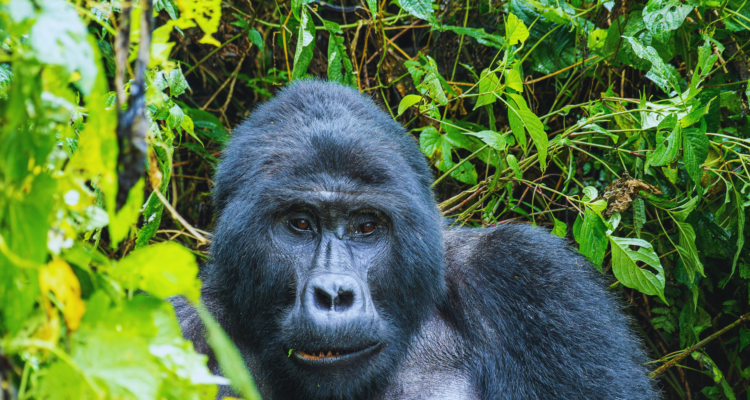
Most travelers who book Uganda gorilla safaris & tours settle for the standard one-hour encounter. They hike for hours, spend sixty minutes taking photos, and then head back to the lodge. While that experience is life-changing, it barely scratches the surface of primate behavior. If you are looking for a deep-dive immersion that transforms you from a mere spectator into a participant in wildlife conservation, the Gorilla Habituation Experience (GHEX) is your target.
This isn’t a curated zoo visit; it is a raw, unpredictable, and physically demanding journey into the heart of Bwindi Impenetrable National Park. For those planning high-end Uganda gorilla tours, understanding the execution of a GHEX permit is the difference between a rushed hike and a profound connection with the wild.
The Reality Check: GHEX vs. Standard Trekking
The primary reason travelers choose gorilla safaris in Uganda over other destinations is the exclusive opportunity for habituation. But let’s be clear: “habituation” is a technical process, not just a longer photo op.
You are accompanying researchers and rangers as they “teach” a wild gorilla family to tolerate human presence without changing their natural behavior.
The Information Gain: Why GHEX is Different
- The Clock: Standard treks give you 60 minutes. GHEX gives you four hours from the moment you locate the group.
- The Group: You aren’t visiting a “relaxed” family. You are tracking a semi-wild group that may still be wary, shy, or prone to moving quickly through dense undergrowth.
- The Involvement: You observe how trackers identify individual gorillas by their nose prints and how they mimic vocalizations to soothe the silverback.
Execution Blueprint: Navigating the Logistics
To pull off a successful GHEX, your logistics must be surgical. Unlike standard treks that occur in four different sectors of Bwindi, the Habituation Experience is currently restricted to the Rushaga and Nkuringo sectors in the southern part of the park.
1. Securing the Golden Ticket (Permits)
The Uganda Wildlife Authority (UWA) issues only four permits per group per day. With only two groups currently under habituation, that is a global supply of just eight spots daily.
- Price Point: As of 2024/2026, a GHEX permit costs $1,500 USD (compared to $800 for a standard trek).
- Lead Time: Book at least 6 to 10 months in advance, especially for the peak seasons of June–August and December–February.
2. Physical Conditioning
Do not underestimate Bwindi. The “Impenetrable” forest lives up to its name. You will be off-trail, scrambling over hanging vines and navigating 45-degree inclines. If you aren’t comfortable hiking for 6+ hours in humid, high-altitude conditions, the standard trek is a better fit.
Comparative Analysis: Choosing Your Experience
| Feature | Standard Gorilla Trekking | Gorilla Habituation Experience (GHEX) |
| Time with Gorillas | 1 Hour | 4 Hours |
| Permit Cost (USD) | $800 | $1,500 |
| Maximum Guests | 8 per group | 4 per group |
| Gorilla Behavior | Fully relaxed/habituated | Semi-wild/unpredictable |
| Physical Difficulty | Moderate to High | Very High (Off-trail) |
| Location | All Bwindi Sectors & Mgahinga | Rushaga & Nkuringo Sectors only |
The Anatomy of the 4-Hour Encounter
When you find the family, the clock starts. But don’t expect the gorillas to sit still for a portrait.
Hour 1: The Observation
Initial contact is often cautious. The silverback might perform a “mock charge” to assert dominance or signal the group to move. You stay back, following the lead of the rangers.
Hours 2 & 3: Behavioral Immersion
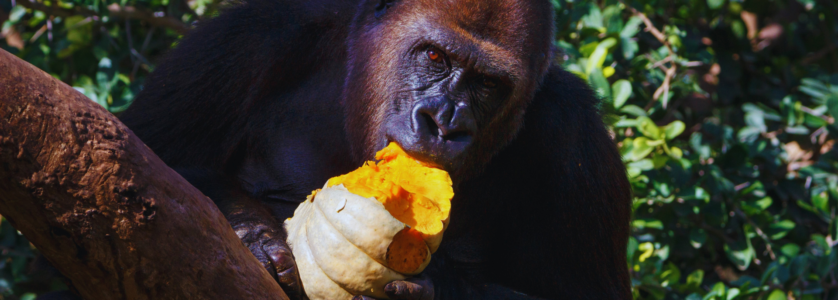
As the group settles, you’ll watch the juveniles play and the females forage. This is where you see the nuance, the grooming rituals and the complex social hierarchy that a one-hour trek misses.
Hour 4: Data & Documentation
Rangers often use this time to collect dung samples or note health markers. You are witnessing active field science. By the end of the fourth hour, the “human” presence becomes background noise to the gorillas, a successful step in their habituation.
Essential Gear for the Bwindi Jungle
To survive gorilla safaris in Uganda, your gear must be functional, not fashionable:
- Gaiters & Waterproof Boots: To keep safari ants and mud out of your socks.
- Garden Gloves: Essential for grabbing thorny vines while climbing.
- Long-Sleeved Moisture-Wicking Layers: Protects against “blister bushes” and stinging nettles.
- High-Calorie Packed Lunch: You will burn more energy than you expect.
Expert Insider Tips for Success
“If you want the best photography, don’t spend the first hour behind the lens. Use the first 60 minutes to understand the light and the movement of the silverback. With four hours at your disposal, you can afford to wait for the perfect shot rather than spraying and praying in the first five minutes.” , Lead Guide, Gorillatrekking-uganda.com
- Stay in the South: Book your accommodation in Rushaga or Nkuringo. If you stay in Buhoma, you face a 2-3 hour drive over rough roads before your trek even begins.
- Hire a Porter: Even if you are fit, hire a local porter ($20). It supports the community and ensures you have someone to pull you up the steep ridges when your legs give out in hour five.
Frequently Asked Questions (FAQ)
Is the Gorilla Habituation Experience worth the extra $700?
Yes, if you are a wildlife enthusiast, photographer, or researcher. The extra three hours allow for a level of bonding and observation that is impossible during a standard trek. However, if you just want a “selfie” with a gorilla, the standard trek is more cost-effective.
Can I do GHEX in Rwanda?
No. Currently, the Gorilla Habituation Experience is exclusive to Uganda’s Bwindi Impenetrable National Park. Rwanda offers standard trekking but does not have a public habituation program.
What happens if we don’t find the gorillas?
While rare (tracking success is over 98%), if the group is not located, UWA typically offers a partial refund or a chance to trek the following day, subject to permit availability.
How close can I get during habituation?
The rule is 10 meters (32 feet). Because these gorillas are still being habituated, maintaining this distance is even more critical for safety and to prevent the transmission of human diseases.
 >
>